
Collaborative Learning Initiative
What is the Collaborative Learning Initiative (CLI)?
In concert with the mission of UW–Madison, we are committed to a Culture of Belonging, a supportive community of mutual respect and understanding where all team members can bring all of who they are and thrive as valued and respected contributors to our individual and collective work. This culture is built and fostered by inclusive policies, practices, and people worthy of the students and communities we serve.
The Collaborative Learning Initiative is a DEM team member commitment to learning together through DEM-sponsored or other learning opportunities that fall within a rubric.
The objectives are to develop self-awareness, curiosity, and a growth mindset and learn how we, as individuals and together as teams, can help build and support a Culture of Belonging at DEM.
Team Member Responsibility
Each of us are responsible for building and cultivating a Culture of Belonging . As such, all DEM Team Members roles include the following.
5% Job Duty
This job duty, which encompasses 5% of the job description, for every DEM Team Member states:
Demonstrates commitment to the University’s mission statement, particularly to be sensitive and responsive to those groups which have been underserved by higher education. Participation in related learning activities are expected.
CLI Requirements
All DEM Team Members are expected to complete:
- at least 30 hours of training and/or experiences from the DEM approved trainings list each year,
- at least one performance discussion with their supervisor on their goals and accomplishments related to the CLI annually, and
- at least 60 hours/annually integrating what has been learned into daily work and being a supportive and understanding role model in all work settings.
CLI Guidance and Resources
Upcoming DEM CLI Trainings & Experiences
DEM will offer Collaborative Learning Initiative opportunities throughout the year on a variety of topics. Invitations for trainings will be sent to all DEM Team Members via Outlook. We will also keep you informed of opportunities here on the DEM Insider and in our monthly newsletter.
-
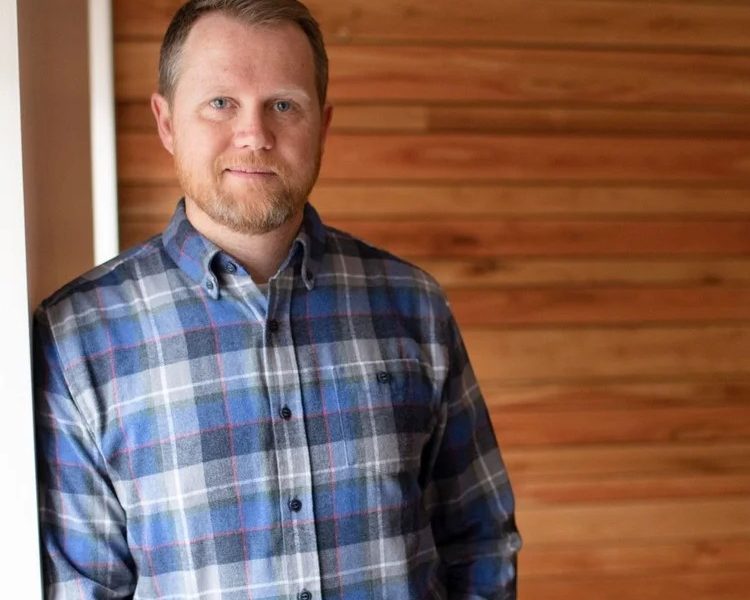 DEM Collaborative Learning Series | Kindness: Building High-Trust Relationships
Chad McGehee
Zoom
Similar to appreciation, mindfulness is foundational to and woven throughout this skill. Kindness is rooted in recognizing the fundamental desire each person has to live a good life, the innate impulse toward connection, safety, health, and purpose. Human behavior and relationships can become complex, and choices made within that complexity can obscure our ability to …
Suggested Trainings & Experiences Outside of DEM
Below you will find a curated list of trainings and experiences that fulfill the goals of the Collaborative Learning Initiative (CLI). Suggested trainings and experiences are placed into at least one of four domains to assist DEM Team Members in choosing trainings and experiences that best meet your professional goals.
Since a list of trainings can never be fully comprehensive, even when updated monthly, a rubric has also been provided so that DEM Team Members can more easily determine if a training or experience they are interested in meets the requirements of the CLI. Once you have determined by using the rubric that a training or experience meets the requirements of the CLI, it can be added to the list to share with other DEM Team Members by emailing dem_support@em.wisc.edu.
This domain is focused on a foundational understanding of key concepts and terms related to difference.
Live Trainings and Experiences
Asynchronous Opportunities
- Confronting Bias: Thriving Across Our Differences through LinkedIn
- Badger Talks Live – Timeless Approaches to Improving Diversity, Equity, and Inclusion
- The Danger of a Single Story TEDTalk
- Trans and Non-Binary Experiences in the Workplace (episode of Inclusive Employers podcast)
- Understanding and Supporting LGBTQ+ Employees (LinkedIn Learning)
This domain is focused on an ability to reflect on one’s own identity, positionality, and power.
Live Trainings and Experiences
- Bystander Intervention Training: Stepping in With Care & Confidence
- Thrive@UW: Understanding Your Experiences & Identities
- White Privilege Conference
- Racial Justice Summit through YWCA Madison
- Guiding the Way to Inclusion (GWI) through NACAC
Asynchronous Opportunities
This domain is focused on the capacity to communicate, collaborate, facilitate, and intervene with others across social differences.
Live Trainings and Experiences
- Perspectives: Disability and Ableism Awareness
- Thrive@UW: Active Listening to Support Effective Communication
- UW–Madison Generational Diversity for Managers Training
Asynchronous Opportunities
- Confronting Bias: Thriving Across Our Differences through LinkedIn
- Difficult Conversations: Talking about Race at Work through LinkedIn
- Extreme Listening: A Bit of Optimism with Simon Sinek Podcast
- Skills for Inclusive Conversations through LinkedIn
- Trans and Non-Binary Experiences in the Workplace (episode of Inclusive Employers podcast)
This domain is focused on the capacity to identify and analyze systems of power and their influence.
Live Trainings and Experiences
- First Nations Cultural Landscape Tour
- UW–Madison Understanding Organizational Politics Training
- UW–Madison Perspectives: Disability and Ableism Awareness
Asynchronous Opportunities
- Belonging Leadership Podcast by Audrey Cavenecia
- NPR Code Switch Podcast
- Unlocking Us Podcast by Brene Brown
- UW–Madison Center for Campus History Podcast Series
- Dare to Lead Podcast by Brene Brown
- UW–Madison Perspectives: LGBTQ+
Integration into Our Work
Integrating what we’ve learned into our daily work is an essential part of the Collaborative Learning Initiative. To truly influence the culture of DEM and become a place where all team members feel that they can bring all of who they are as a meaningful, valued, and respected contributor to our individual and collective work, we must put to action what we’ve learned. Below are examples of how folks across DEM have implemented new inclusive policies or practices as a result of trainings they have participated in to highlight what we have accomplished.
Inclusive Student Employment Practices
The Office of Student Financial Aid used the information they learned about implicit/unconscious bias to create a website including resources on inclusive student employment practices.
Inclusive Scholarship Practices
The Office of Student Financial Aid used the information they learned about implicit/unconscious bias to create a website including resources on inclusive scholarship practices.
Gender Decoder – Job Ad Bias Detector
Members of the Office of the Registrar have begun using the Gender Decoder to review job postings for gender-coded language and edited the language as warranted. Even with the Standard Job Description from TTC making more of the language consistent, this can still be useful for evaluating the “meta” text around posting and recruiting for jobs.
Frequently asked questions
The framework for DEM’s Collaborative Learning Initiative was developed by a cross-functional focus group in conjunction with the Divisional Service Team. The groups spent several months to create a Logic Model (a visual representation of the relationship between a program’s necessary resources, planned activities, and its intended outcomes) that guided their work as they compiled a rubric and trainings that they felt would move DEM in the right direction.
The goals of the Collaborative Learning Initiative are that DEM Team Members will:
- come to work with a curiosity to learn and an openness to new ideas.
- learn from one another.
- develop self-awareness of blind-spots, privileges, and their own needs for support.
- learn to question whether a space is comfortable due to mutual respect and understanding or due to their own privilege.
- stay abreast of societal issues.
- practice standard language and become comfortable with its usage.
- come to work with the best intent and a desire to learn how to create a more supportive environment for all.
- employ a growth mindset.
Additionally, through this work DEM will:
- be explicitly and proactively supportive.
- be a welcoming place for all.
- employ an evaluative culture where feedback channels are developed to ensure all voices are heard.
- share standard resources with all team members regardless of known social identities to normalize resource existence and usage.
Each DEM Team Member will need to complete 30 hours of training each year as part of the Collaborative Learning Initiative. With the Culture of Belonging Job Duty encompassing 5% of all DEM Team Members’ job descriptions, that means that approximately 90 hours/annually should be devoted to the job duty. It is expected that the remaining 60 hours devoted to this job duty will allow DEM Team Members to integrate what they’ve learned into their daily work, participate in any additional unit learning activities, and allow time to be a supportive and understanding role model in all work settings.
We recommend team members track their Collaborative Learning Initiative participation during the same timeframe as their performance schedules. As an example, if your performance evaluations are typically in January and July, we recommend tracking your CLI Curriculum participation January 1st – June 30th and July 1st – December 31st to ensure you meet the full 30 hours required.
With the Culture of Belonging Job Duty, it is expected that every DEM Team Member participate in the Collaborative Learning Initiative (CLI). Much care and effort went into creating a curriculum that could benefit all DEM Team Members, no matter where they’re at on their learning journey. If a DEM Team Member does not participate in the CLI, they may be marked as Not Meeting Expectations in their annual performance review and placed on a performance plan.
We plan to evaluate and revise the Collaborative Learning Initiative (CLI) to ensure that it continues to meet the needs of DEM. To ensure that the CLI continues to meet the needs of DEM and the desired outcomes, we plan to utilize the results of OfficeVibe and any climate surveys completed by campus. Ultimately, the CLI will be successful when DEM is a welcoming place for all, so we plan to particularly focus on questions surrounding DEM Team Members’ sense of belonging and their consideration of DEM as a good place to work. We also plan to track retention rates of DEM Team Members.
Questions?
If you have any questions about the Collaborative Learning Initiative reach out to the DEM Shared Services Team.